
Three Dynamics of Strong Teams
Frequency, Affection, and History

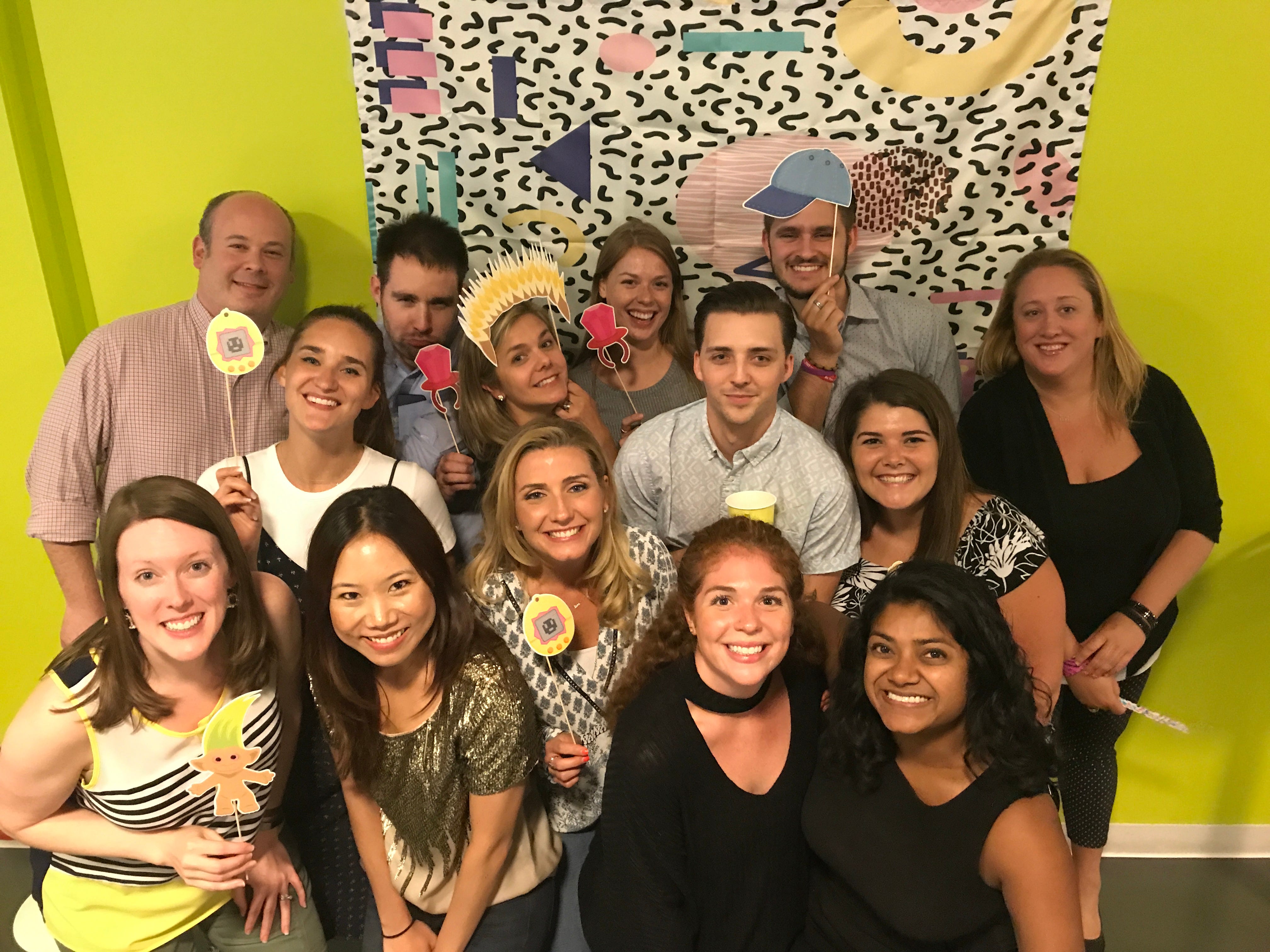
Strong work is the outcome of people working in a healthy group.
Healthy groups grow with relationships made of three ingredients:
Frequency of interaction
Affection
History of affectionate interactions
If you’re leading a team, or want to grow into a leadership role, make a quick list of the people you need to interact with inside and outside your team. You’ll know right away which of these three are missing, and which need more of your attention.
Add that extra half hour on your calendar to connect with someone. When you see great work happen, look for who you can bring together around that work to make new connections that have follow ups.
On our teams, I try to front load the week with 1-1’s to see what the team has in store, and check on work in progress. Then, look for people to help lend a perspective to make that work stronger, go farther, and feel better.
One technique that’s worked well: when looking at work early in the week, target a recurring time every other Thursday for a “Share and build” where people can come together in a small group, safe, semi-structured environment to get help in the work. Someone can practice an upcoming presentation, or check down their thinking about how to solve a problem.
At first, as the team lead you might have to assign two people to present, and assure a framework that helps them get over the fear of criticism. But after a few weeks, you’ll find people saving work for those occasions, starting to meet on their own with people they were connected with – or people who clicked with what they were presenting in the smaller group.
Especially with our chat-heavy workplaces, it’s very easy to increase interaction frequency in small ways, just by saying hi and asking what’s great about today, and if there’s anything you can help with.
After a while, the simple 3-part engine of healthy networks grows on its own – and begins to activate a network effect across teams, business units, and companies. People will hear about the team and want to join. People will be reassigned and insist on staying.
What’s one way you’ve helped your team get stronger inside the work?
If you want to go deep on this topic, check out The Strength of Strong Ties!